
GGBSF (Foundry Slag)

We can supply up to 20 Million Metric Ton Contract


There are two primary advantages for adding GGBFS to concrete as a separate material, rather than intergrinding it in the cement:
1. Each material can be ground to its own optimum fineness
2. The proportions can be adjusted to suit the particular project needs.
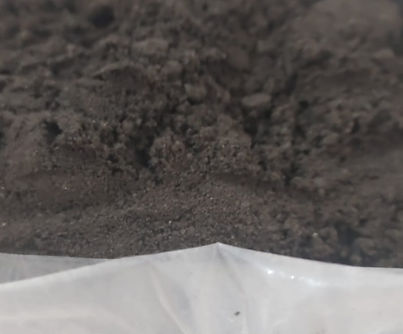
According to ASTM C989, GGBFS is classified into three grades according to its performance in the “slag activity test”. The three grades are: Grade 80, Grade 100 and Grade 120.

-
ASTM C989, “Standard Specification for Ground Granulated Blast-Furnace Slag for Use in Concrete and Mortars”
-
ASTM C595, “Standard Specification for Blended Hydraulic Cements”
-
CSA A3001, “Cementitious Materials for Use in Concrete”
-
ACI 233, “Slag Cement in Concrete and Mortar”

Iron Ore Smelting Slag (GGBFS)
GGBFS was first used in lime mortar production as early as the 1700's. In Germany, it has been interground with Portland cement since 1892, and in other parts of the world it has been added to concrete as a separate constituent since the early 1950's. Although some of the GGBFS produced is used stabilizing mine tailings and industrial waste materials, the rest is used in Portland cement concrete.
Most chemical admixtures perform well in plain Portland cement mixtures and in Portland cement and fly ash concrete, it is not surprising that they provide similar performance when used in slag concrete.
Since there is little or no carbon in GGBFS, concrete containing it usually responds well to air entrainment. However, if the GGBFS is ground excessively fine, additional amounts of air-entraining agent may be required to achieve the specified air content.
Contact Us
Email: rodrigo@equipabor.com.br
Tel: +55 11 5523 1514
Tel: +1 416 550 8383
Tel: +55 11 98516 5999
WhatsApp: +55 11 4115-2708
Website: www.equipabor.com.br

Are you looking for more informations?
Our Locations
We currently have three warehouses in the state of São Paulo - Brazil, but we serve throughout Latin America.